Thursday, 3 October 2013
When It Comes To Drug Prices the Europeans Are Better Health Care Capitalists Than We Are!
Sometimes I think the government-run European health care systems do a better job of using market tools to control their drug prices than we do in the U.S. market.For example, some government-run systems in Europe, France for example, are not afraid to take a drug off their official formulary if they don't get a competitive price.In January, the Democratic House passed a bill requiring Medicare

Wednesday, 2 October 2013
Cavalcade of Risk--Recent Posts From the World of Risk Management
Today, it's my turn to host the "Cavalcade of Risk." Every two weeks the Cavalcade offers insights into efforts to manage risk.Having spent substantial time at a main line property and casualty company, when I hear the term "risk management" my thoughts go to the things that corporate insurance managers do to limit their "loss costs."The popular notion of individual responsibility, and the
Aetna to Provide Managed Care Services to the British National Health Service--Say What?
Aetna has been approved by the British National Health Service (NHS) as one of the suppliers who can provide local Primary Care Trust (PCT) managers "a wide range of support, ranging from specific tasks such as designing medical management programs, also known as demand management, to comprehensive contracting and procurement of services."Where's Michael Moore? He needs to do an addendum to "
Means Testing for Medicare--It's Unavoidable If Politically Problematic
Means testing is politically problematic but necessary and probably unavoidable if we are to shore-up Medicare.The Bush administration is pushing a proposal to begin means testing on the new Medicare Part D drug benefit. They would increase deductibles and premiums on single seniors with incomes over $82,000 a year and couples with incomes over $164,000 a year.We already have a means test on
Tuesday, 1 October 2013
An Important and Disciplined Review of the Health Care Marketplace--The Latest Site Visit Report From 12 Markets
Good health care market intelligence is hard to come by. Information tends to come in the form of detailed and narrow, often backward looking, surveys that give us little texture for what key players are thinking. Or, at the other extreme, market information is often based on a relatively few almost random anecdotal impressions by "experts" as they do their work in the market.The highly respected
Health Wonk Review is Up
Jane-Hiebert-White has the latest Health Wonk Review up over at the Health Affairs blog.This sample of some of the best recent posts in the health blog world not surprisingly has lots to say about the SCHIP debate and other timely health reform issues.I wonder what 1993 would have been like if we'd had the blog world?
Monday, 30 September 2013
SCHIP Supporters Are At Least Ten Votes Short to Override a Bush Veto
The Democrats are now going to take two weeks to try to change some minds before they attempt to override the Bush veto of the SCHIP bill--scheduling a vote for October 18th. If nothing else they will continue to hammer on the President and his Republican supporters over what is turning out to be a very unpopular stand by the President.The Senate approved the SCHIP compromise by a vote of 67-29.
Now That The UAW Is On The Hot Seat to Manage Its Retiree Health Costs Will Their View of Health Care Management Change?
Brian Klepper joins us again today this time with an astute analysis of the UAW/GM deal. Now that the UAW owns their GM retiree plan will they look at health care management differently?The Hot Seatby Brian KlepperI agree with Bob that the GM-UAW deal is a turning point for American health care. In a stroke – OK, it was a 456 page stroke – GM agreed to turn over as much as $35 billion, about 70
Sunday, 29 September 2013
Reforming Our Health Care Financing System Won't Mean Anything if Americans Don't Start Taking Better Care of Themselves
Ken Thorpe, along with associates David Howard and Katya Galactionova, of Emory University has expanded on his earlier work on chronic disease in the U.S. and its impact on our health care costs in a web article for the journal Health Affairs. He compares chronic disease in the U.S. and Europe and looks at the difference as a means to help explain our higher health care costs.As all of the
The Country's Political Center is Shifting and With it the Health Care Reform Debate
I always thought it was shortsighted for the Republicans to avoid comprehensive health care reform in the six years they controlled the White House and the Congress (2001-2006). Instead they just added $8 trillion in unfunded liability (Part D) to a Medicare system they've been telling us from the beginning is unsustainable as it is.Eventually the political pendulum swings to the other side.
Saturday, 28 September 2013
The GM-UAW Deal--If UAW Workers Can No Longer Count on Employer-Provided Health Care Then Neither Can Harry and Louise
I'm not the first one to suggest the GM-UAW deal to set up a VEBA is a watershed event. Most observers are focusing on the trend it will accelerate in the employee benefits market--and it will.I will suggest another dramatic impact that it will have--on voters.The polls already tell us that health care is by far the top domestic policy issue and second overall only to Iraq.This deal is also going
If the $35 Billion Expansion of SCHIP is About Moving to Government-Run Health Care Why Does the Insurance Industry Support It?
Both the House and Senate have now passed the $35 billion expansion of SCHIP. The House by 265-159 and the Senate by a vote of 67-29. The Senate bill got exactly the two-thirds it needs to override the expected Bush veto and the House fell 25 votes short of the 290 it will need.Opponents of the bipartisan compromise to renew and expand the State Children's Health Insurance Program primarily
Friday, 27 September 2013
Who's More Frustrated With Bush Over His SCHIP Veto Threat--Republicans or Democrats?
These days its hard to get Democrats and Republicans to agree on anything. But there is one bipartisan bill that has incredible support in both parties--the $35 billion expansion and renewal of the State Children's Health Insurance Program (SCHIP).By any measure SCHIP has been an incredibly good success--covering 6 million kids. There have been some legitimate questions about it growing beyond
Health Wonk Review is Up!
Joe Paduda is hosting Health Wonk Review over at "Managed Care Matters."Not surprisingly he's got lots of blog entries regarding Senator Clinton's new health plan and lots of other samples of some of the best blog posts from the past couple of weeks.Also making the big time this week was our good friend, Brian Klepper, who had the following letter published in the New York Times regarding Senator
Thursday, 26 September 2013
Medicare Advantage Cuts Still on the Table to Offset the Medicare Physician Fee Fix
The House/Senate deal to renew the State Children's Health Insurance Program (SCHIP) does not include a fix to the January 2008 10% Medicare physician fee cut. It also doesn't include the $51 billion in cuts to the Medicare Advantage (MA) program the House had in their bill to pay for that fix and other Medicare improvements.As I have said many times before, that only means that the Medicare
Hillary Clinton's Health Plan
Here is an excerpt from the Clinton campaign's press release outlining her $110 billion a year health care reform plan:FOR IMMEDIATE RELEASESeptember 17, 2007The American Health Choices Plan:Ensuring Affordable, Quality Health Care for All AmericansHillary Clinton unveiled the third part of her plan today to ensure that all Americans have affordable, quality health insurance. Building on her
SCHIP Veto Override Vote on Thursday--The Ragged Line Between Those Who Need Assistance and Those Who Don't
The House is scheduled to vote on overriding President Bush's veto of the State Children's Health Insurance Program (SCHIP) expansion.As I said last week, I believe the Democrats will come up about ten votes short in their attempt to override. I would be surprised, but not shocked, if they can find the two-thirds necessary to override the President.One of the arguments opponents of the SCHIP
New Study Shows Lower Costs in Consumer-Driven Plans--But the Findings Won't Settle the Debate Over Just How Effective C-D Plans Are
HealthPartners, a highly regarded not-for-profit Minnesota health plan, has issued an important report on its consumer-driven care book of business. It includes Health Savings Accounts (HSAs) and Health Reimbursement Accounts (HRAs).Their findings include:After adjusting for "illness burden," HealthPartners found that heath care costs were 4.4% lower for members in a consumer-driven plan compared
Wednesday, 25 September 2013
SCHIP Agreement "Near"
There are a number of published reports indicating that the House and Senate have reached an agreement to extend SCHIP along the lines of the earlier bi-partisan Senate agreement.That would mean a $35 billion SCHIP expansion paid for entirely be a new 61 cent tobacco tax.Bush says he would veto such a deal. While the Senate seems veto proof on this one, the House is another matter.If Bush is
Hillary Clinton's Health Plan--the Republicans Better Take it Seriously
Sometimes I think that all the Republican candidates for president think they need do is go into a crowded room and yell, "Hillary Care," and all of the voters will run for the exits in terror.This is not 1993 and this is not the inexperienced Hillary Clinton who tried to drop her drafted-in-secret 1,400 page health care proposal on us all in one "take it or leave it" roll out.She has changed
Wednesday, 18 September 2013
Benefit Shock? Consumers Will Be Surrpised By What They Find on the New "Obamacare" Health Insurance Exchanges
Will we have rate shock?
It looks to me like consumers will have a choice when they get to look at the health plans available on the new "Obamacare" health insurance exchanges––rate shock or benefit shock.
While there has been lots of focus on the issue of rate shock, I will suggest that just as big an issue may well be benefit shock—that consumers will look at what they will be getting for
It looks to me like consumers will have a choice when they get to look at the health plans available on the new "Obamacare" health insurance exchanges––rate shock or benefit shock.
While there has been lots of focus on the issue of rate shock, I will suggest that just as big an issue may well be benefit shock—that consumers will look at what they will be getting for
Monday, 16 September 2013
So If the Maryland Health Insurance Rates Are So Cheap Why Did I Get This Postcard From Maryland Blue Cross?
That's what I wondered when I got this postcard; presumably sent to lots of people who live in Maryland:
In it, (click on card to enlarge) Maryland Blue Cross is telling me that; "I am invited to obtain a [health] plan right now with rates that may be significantly lower than reform-compliant plans [their emphasis]."
Are they suggesting there is rate shock coming?
I was surprised to get this
In it, (click on card to enlarge) Maryland Blue Cross is telling me that; "I am invited to obtain a [health] plan right now with rates that may be significantly lower than reform-compliant plans [their emphasis]."
Are they suggesting there is rate shock coming?
I was surprised to get this
Thursday, 15 August 2013
Covered California...And Then There Were Twelve
In late May Covered California announced that there would be 13 health plans in the individual & family health exchange.
This week one of the 13 health plans, Ventura County Health, changed position and withdrew
 from the exchange at least until 2015.
So, Ventura County's health plan is out leaving 12 total plans available for open enrollment beginning in October.
Dave
www.davefluker.com
This week one of the 13 health plans, Ventura County Health, changed position and withdrew

So, Ventura County's health plan is out leaving 12 total plans available for open enrollment beginning in October.
Dave
www.davefluker.com
Tuesday, 13 August 2013
Oregon Delays Key Element of Insurance Exchange––Good for Them!
Five years from now no one will remember if their "Obamacare" health insurance exchange launched on October 1.
The state-run Oregon health insurance exchange, Cover Oregon, recently announced it will be delaying web access to the its new "Obamacare" health insurance offerings two to four weeks later than the scheduled October 1 launch date.
People will be able to begin signing up for health
The state-run Oregon health insurance exchange, Cover Oregon, recently announced it will be delaying web access to the its new "Obamacare" health insurance offerings two to four weeks later than the scheduled October 1 launch date.
People will be able to begin signing up for health
Thursday, 1 August 2013
Covered California SHOP Small Group Plans Announced
Today Covered California released a list of carriers who will offer plans inside of the SHOP Small Group Health Exchange beginning in January 2014.
I have links below to the information at Covered California. Six total insurance carriers for the entire state, 3 plans in LA Metro and 3 here in Santa Clara County.
The six "finalists" for SHOP include:

*Blue Shield of California
*Kaiser Permanente
*Health Net of California
*Western Health Advantage
*Chinese Community Health
*Sharp Health Plan
Conspicuously absent from the Covered California small group SHOP exchange are national carriers Aetna, UnitedHealth and Anthem (Anthem Blue Cross CA is a subsidiary of Anthem/Wellpoint).
Covered California SHOP Press Release (8/1/13)
Covered California SHOP Brochure with rates and plans by rating area (8/1/13)
Dave
www.davefluker.com
I have links below to the information at Covered California. Six total insurance carriers for the entire state, 3 plans in LA Metro and 3 here in Santa Clara County.
The six "finalists" for SHOP include:

*Blue Shield of California
*Kaiser Permanente
*Health Net of California
*Western Health Advantage
*Chinese Community Health
*Sharp Health Plan
Conspicuously absent from the Covered California small group SHOP exchange are national carriers Aetna, UnitedHealth and Anthem (Anthem Blue Cross CA is a subsidiary of Anthem/Wellpoint).
Covered California SHOP Press Release (8/1/13)
Covered California SHOP Brochure with rates and plans by rating area (8/1/13)
Dave
www.davefluker.com
Michael Lujan Resigns - Director of Sales for Covered California
I knew about this yesterday morning after exchanging a couple of e-mails with Michael but didn't feel it should be blogged until it was published publicly. The substance of any personal communication I have had with Michael will, of course, remain private.

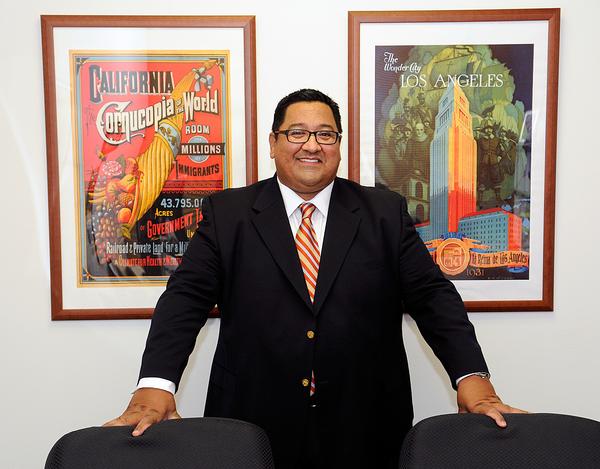
As announced by the Sacramento Bee yesterday afternoon, Michael Lujan, who served as Director of Sales and Marketing for the Covered California SHOP small business exchange, has resigned on Wednesday, July 31 with effective end date of August 9th.
I hate to see him go but I am sure that he has good reasons to make a change at this time. Michael has always been available to me (and other agents) to answer questions and concerns about both the SHOP small business exchange and the individual & family plan exchange.
I am sure others will join me in wishing Michael Lujan continued success in the future.
Dave
www.davefluker.com
As announced by the Sacramento Bee yesterday afternoon, Michael Lujan, who served as Director of Sales and Marketing for the Covered California SHOP small business exchange, has resigned on Wednesday, July 31 with effective end date of August 9th.
I hate to see him go but I am sure that he has good reasons to make a change at this time. Michael has always been available to me (and other agents) to answer questions and concerns about both the SHOP small business exchange and the individual & family plan exchange.
I am sure others will join me in wishing Michael Lujan continued success in the future.
Dave
www.davefluker.com
Friday, 26 July 2013
CA Doctors Could Face Potentially Nasty Surprise
A little-noticed provision in the Affordable Care Act allows exchange participants a 90-day grace period to pay their health insurance premiums. This was designed to help those who are not used to paying health insurance premiums.

During the first month of grace period when the premium has not been paid, the insurance companies must continue to pay claims incurred by the patient. During the second month if the patient is still delinquent the insurance company can pend any further claims. After the third month if the insured has not paid the premium, the insurance company can terminate the coverage.
In the event that the premium is not paid during the grace period and the policy terminates backwards 90 days, doctors and other healthcare providers in California will have to go after the patient to collect payment for all outstanding claims.
Essentially this means there can be a 60-day period during which a medical provider who accepts exchange-level health plans is not going to be sure if or when he/she may ever get paid for the medical services provided.
Excellent article from Family Practice News about this.
Dave
www.davefluker.com

During the first month of grace period when the premium has not been paid, the insurance companies must continue to pay claims incurred by the patient. During the second month if the patient is still delinquent the insurance company can pend any further claims. After the third month if the insured has not paid the premium, the insurance company can terminate the coverage.
In the event that the premium is not paid during the grace period and the policy terminates backwards 90 days, doctors and other healthcare providers in California will have to go after the patient to collect payment for all outstanding claims.
Essentially this means there can be a 60-day period during which a medical provider who accepts exchange-level health plans is not going to be sure if or when he/she may ever get paid for the medical services provided.
Excellent article from Family Practice News about this.
Dave
www.davefluker.com
Thursday, 25 July 2013
Covered California Will Have HSA Plans in Exchange
According to information provided in the last day or so by Michael Lujan at Covered California, the exchange does intend to allow HSA compatible health plans inside both the individual and SHOP exchanges.
Last week sources were told by a spokesperson at Covered California that HSA plans would not be included in the individual exchange.
As with all things related to the implementation of ObamaCare, information is subject to change at any time and what we know today may well be changed or invalid tomorrow.
If Michael Lujan is correct (and there's no reason to doubt that he is) then the previous blog post is now incorrect.

http://davefluker.blogspot.com/2013/07/no-hsa-compatible-plans-in-covered.html
Dave
www.davefluker.com
Last week sources were told by a spokesperson at Covered California that HSA plans would not be included in the individual exchange.
As with all things related to the implementation of ObamaCare, information is subject to change at any time and what we know today may well be changed or invalid tomorrow.
If Michael Lujan is correct (and there's no reason to doubt that he is) then the previous blog post is now incorrect.

http://davefluker.blogspot.com/2013/07/no-hsa-compatible-plans-in-covered.html
Dave
www.davefluker.com
Wednesday, 24 July 2013
No HSA Compatible Plans in Covered California Individual Exchange
Update: According to Michael Lujan at Covered California yesterday, the exchange will in fact have HSA plans available in both the Individual and SHOP exchanges. This information contradicts earlier information from the exchange which was the basis for this blog post.
http://davefluker.blogspot.com/2013/07/covered-california-will-have-hsa-plans.html
Word out is that the Covered California Individual & Family Health Exchange will not contain any HSA compatible health plans.
HSA compatible health plans are generally higher-deductible plans with some special design requirements. HSA compatible health plans do not allow any first dollar benefit coverage (except for preventive care which is covered in full) and the drug benefit of the plan must be part of the medical benefit plan and subject to the medical deductible.
Compatible health plans allow for the establishment and funding of a Health Savings Account (HSA) with an account provider like a bank, credit union or investment firm. Think of the HSA as a medical IRA account. Contributions can be tax deductible and funds can be used to pay medical expenses of the health plan as well as many expenses not part of the health plan such as dental, vision and so on.
Anyone wishing to purchase or continue an HSA compatible health plan will have to purchase a plan in the private market (if HSA plans are provided in that market). Those eligible for subsidy from Covered California will either have to forego an HSA plan to obtain subsidy or choose to lose out on the subsidy to purchase in the private market.
I believe the logic of this move is that high deductible HSA compatible health plans offered inside of the exchange may entice individuals and families with high subsidy levels to purchase them to further reduce their premium outlay while not being able to afford the expenses of either funding an HSA or paying for services under the high deductible.
Dave
www.davefluker.com
http://davefluker.blogspot.com/2013/07/covered-california-will-have-hsa-plans.html
Word out is that the Covered California Individual & Family Health Exchange will not contain any HSA compatible health plans.
HSA compatible health plans are generally higher-deductible plans with some special design requirements. HSA compatible health plans do not allow any first dollar benefit coverage (except for preventive care which is covered in full) and the drug benefit of the plan must be part of the medical benefit plan and subject to the medical deductible.
Anyone wishing to purchase or continue an HSA compatible health plan will have to purchase a plan in the private market (if HSA plans are provided in that market). Those eligible for subsidy from Covered California will either have to forego an HSA plan to obtain subsidy or choose to lose out on the subsidy to purchase in the private market.
I believe the logic of this move is that high deductible HSA compatible health plans offered inside of the exchange may entice individuals and families with high subsidy levels to purchase them to further reduce their premium outlay while not being able to afford the expenses of either funding an HSA or paying for services under the high deductible.
Dave
www.davefluker.com
Covered California Agent Certification and Rules
New information provided recently by Michael Lujan of Covered California as it pertains to agent/broker certification to sell exchange plans.

Initial exchange certification training for agents will be sometime in September with an August registration sign-up period. The initial training will be classroom only training, there will be no online training program available until sometime in November at the earliest. Agents wishing to certify with Covered California will have to sign up for and attend an 8-hour classroom training and pass an exam at the end of the class. CE credits are intended to be made available for the class.
Additionally, a second online training segment for the CalHEERS program (helps determine subsidy eligibility and enrollment choices) will need to be completed after the classroom training and will be from 2-4 hours online.
Agents are looking at approximately 12 hours of training to certify with Covered California.
The exchange will provide certified agents with a "good housekeeping" logo/symbol to use on marketing materials indicating that the agent is a Covered California Certified Agent.
Dave
www.davefluker.com

Initial exchange certification training for agents will be sometime in September with an August registration sign-up period. The initial training will be classroom only training, there will be no online training program available until sometime in November at the earliest. Agents wishing to certify with Covered California will have to sign up for and attend an 8-hour classroom training and pass an exam at the end of the class. CE credits are intended to be made available for the class.
Additionally, a second online training segment for the CalHEERS program (helps determine subsidy eligibility and enrollment choices) will need to be completed after the classroom training and will be from 2-4 hours online.
Agents are looking at approximately 12 hours of training to certify with Covered California.
The exchange will provide certified agents with a "good housekeeping" logo/symbol to use on marketing materials indicating that the agent is a Covered California Certified Agent.
Dave
www.davefluker.com
Monday, 22 July 2013
Covered California No Direct Web Interface for 2014
Covered California Individual Exchange will not provide web-based agencies with a working direct enrollment link to the exchange for the initial open enrollment beginning October 1, 2013. As such, enrollments will require agents to do them "on manual" via a Covered California agent web link either in person or via telephone/e-mail communication. Only Covered California Certified Agents will be able to access the exchange to assist with enrollment.
I think this is very good news and am sure that there will be many web-based agents/agencies who do not like this decision. It will take the enrollments in a very complicated environment out of the "click and buy" agencies and put them in the hands of agents willing to work one-on-one with individuals and families to assist with enrollments.

Agents will be able to assist with enrollments into the exchange via the web using a special link to Covered California that will attach the agent/broker information to the initial application. Online enrollments will be desired due to the speed of approval versus paper applications (some may still want to do the paper application as well). The process involves first applying with the exchange for permission to purchase a plan and then, upon verification and approval from Covered California, the individual or family can select and enroll in the actual health plan.
In a recent USA Today article, web broker e-healthinsurance complained about not having direct interface with the exchange to enable "click and buy" shopping. Such is the nature of the new market and it will require a lot more hands on contact than simply "point and click" plan sales. Agents who are not "web based entities" will face a similar issue as the online quoting services we use (Quotit, Norvax, HealthConnect, ZapQuotes, etc.) will similarly be restricted from providing agents a direct link into the exchange.
Outside of the exchange it will business as usual with carrier-direct online applications just like it is today. For Covered California enrollments, it is important to understand and I believe that a significant number of individuals and families, perhaps even the majority, have little or no experience buying a health insurance plan and will need quite a bit of guidance and direct help.
So, for 2013 open enrollment the only place to click and apply will the Covered California web site and you can (at no added cost to you) get the assistance of a veteran health insurance agent who has obtained the Certified Designation to navigate through the process of obtaining a new health plan under ObamaCare in California.
Dave
www.davefluker.com
I think this is very good news and am sure that there will be many web-based agents/agencies who do not like this decision. It will take the enrollments in a very complicated environment out of the "click and buy" agencies and put them in the hands of agents willing to work one-on-one with individuals and families to assist with enrollments.

Agents will be able to assist with enrollments into the exchange via the web using a special link to Covered California that will attach the agent/broker information to the initial application. Online enrollments will be desired due to the speed of approval versus paper applications (some may still want to do the paper application as well). The process involves first applying with the exchange for permission to purchase a plan and then, upon verification and approval from Covered California, the individual or family can select and enroll in the actual health plan.
In a recent USA Today article, web broker e-healthinsurance complained about not having direct interface with the exchange to enable "click and buy" shopping. Such is the nature of the new market and it will require a lot more hands on contact than simply "point and click" plan sales. Agents who are not "web based entities" will face a similar issue as the online quoting services we use (Quotit, Norvax, HealthConnect, ZapQuotes, etc.) will similarly be restricted from providing agents a direct link into the exchange.
Outside of the exchange it will business as usual with carrier-direct online applications just like it is today. For Covered California enrollments, it is important to understand and I believe that a significant number of individuals and families, perhaps even the majority, have little or no experience buying a health insurance plan and will need quite a bit of guidance and direct help.
So, for 2013 open enrollment the only place to click and apply will the Covered California web site and you can (at no added cost to you) get the assistance of a veteran health insurance agent who has obtained the Certified Designation to navigate through the process of obtaining a new health plan under ObamaCare in California.
Dave
www.davefluker.com
Sunday, 21 July 2013
"ObamaCare" Small Ball––The Republicans Are Winning the Battle Over the Big Idea
Last week the President waded directly into the national debate over "ObamaCare" by calling a big media event in the East Room of the White House to talk about the $100 rebates a small percentage of potentially eligible people are getting under the new health law.
Senate Republican Leader Mitch McConnell countered, "If you’re a family in Covington facing a $2,100 premium
increase under
Senate Republican Leader Mitch McConnell countered, "If you’re a family in Covington facing a $2,100 premium
increase under
Friday, 19 July 2013
Anthem Blue Cross Spurns CA SHOP Exchange
Anthem Blue Cross (Blue Cross of California) announced today that the carrier will not participate in the Covered California SHOP (Small Business Health Options Program) Exchange in 2014. This leaves Blue Shield of California as the lead Blue carrier in the public small business exchange market (same as it was under "PacAdvantage" exchange (HIPC) which collapsed when Blue Shield pulled out some years ago due to inability to meet low premium price points).
 Anthem Blue Cross CA will continue to sell health plans to small businesses outside of the SHOP and also will continue to participate in the California Choice (CalChoice) small business private exchange.
It should be noted that employers purchasing small group coverage plans from CalChoice Exchange will have the ability to offer multiple tiers to employees, whereas the SHOP exchange will require all employees to participate only in a single benefit tier (Platinum, Gold, Silver, Bronze) offered by the employer at the time of enrollment. SHOP does not allow movement up or down in tiers even at the employee's expense.
Recently Insurance Commissioner Dave Jones requested that Anthem Blue Cross be barred from participation in the SHOP exchange. Anthem says that Jones has nothing to do with the decision.
Dave
www.davefluker.com
Anthem Blue Cross CA will continue to sell health plans to small businesses outside of the SHOP and also will continue to participate in the California Choice (CalChoice) small business private exchange. It should be noted that employers purchasing small group coverage plans from CalChoice Exchange will have the ability to offer multiple tiers to employees, whereas the SHOP exchange will require all employees to participate only in a single benefit tier (Platinum, Gold, Silver, Bronze) offered by the employer at the time of enrollment. SHOP does not allow movement up or down in tiers even at the employee's expense.
Recently Insurance Commissioner Dave Jones requested that Anthem Blue Cross be barred from participation in the SHOP exchange. Anthem says that Jones has nothing to do with the decision.
Dave
www.davefluker.com
Sunday, 14 July 2013
SIM planning Committees Missing True Consumer Representation
The SIM (State Innovation Model) grant process is well into its final development and consumers are not at the table. In March, CT received millions of federal tax dollars through SIM to completely restructure the health care system that covers at least 80% of state residents. The final model design is due to the federal government in just a few weeks. Of the 75 SIM committee seats defining that health care system model, only three represent consumers of health care. Consumers/taxpayers are the ultimate funders of our health care system, and unlike other stakeholders, more than our incomes are impacted – our lives depend on a functional system. With only three seats for consumers, you’d think that they’d be filled by true consumers and independent advocates, those with direct knowledge of the challenges the SIM needs to address. Unfortunately, that is not the case. Since the implementation of health care reform began in Connecticut there has been a very obvious and, in my opinion deliberate, movement to exclude consumers from the decision making process. So few seats being allotted by the SIM committee organizers and the individuals chosen continue the lack of consumer input to our health care system. Connecticut is rich with passionate consumers and knowledgeable consumer advocates. Knowledge, experience and passion that are all being wasted. One would think the SIM leadership would want the very best input from all stakeholders, especially consumers, at the table to develop the best possible product. I guess not. Kevin Galvin Small Business for a Healthy CT
Wednesday, 10 July 2013
People Who Haven't Filed a Tax Return to Get Unverified Health Insurance Exchange Subsidies
The head of the Centers for Medicare and Medicaid, Marilyn Tavenner, is out with a "Myths vs. Fact" clarification memo regarding the waiver of the employer mandate and whether the new health insurance exchanges will verify people's incomes when calculating subsidies.
I noted a couple of things in her memo.
Her memo indicates that the exchanges will request additional income information from a "
I noted a couple of things in her memo.
Her memo indicates that the exchanges will request additional income information from a "
Beware ObamaCare Scams
As we move closer to the initial open enrollment, it is important to be aware of the current and potential scammers out there who will use ObamaCare to try and obtain your personal information and/or money.
Because it has not yet been clarified with regard to Navigators and Assisters (not Agents) using telemarketing and/or e-mail marketing, you may not really know who is contacting you with regard to new health insurance.
Licensed agents can be verified both with Covered California (if they are certified) and on the CA Dept of Insurance web site on the "Check License Status" tab at the top. Navigators and non-agent Assisters will most likely be verifiable through Covered California (at least I would hope so).
Also, the changes under ObamaCare have little direct impact on Medicare beneficiaries and, as such, anyone calling you about changes to Medicare due to the implementation of ObamaCare may be running a scam. I can't stress enough how important it is and will be in October for each individual and family to decide, based on their own research, who they want to work with to purchase a new health insurance plan under ObamaCare.
Some things to watch out for:
*If anyone calls you and says they are from "ObamaCare", be very suspicious.
*If anyone contacts you and says you need to pay them money, or that they will get you an ObamaCare ID Card or that they need any of your personal/financial information, be very suspicious.
*If anyone contacts you and tells you that you need to buy an ObamaCare plan from them right now or you will be jailed because "it's the law now", hang up immediately.
*If anyone contacts you stating that they need your Medicare and personal information because "change is on the horizon" or something similar, be very suspicious
I am sure that there will be additional and more creative scams unleashed on California residents leading up to the October open enrollment and likely through the open enrollment.
The simplest way to avoid any potential scam is to decide who you want to help you with your health insurance coverage, be it Covered California, Private Market or Medicare Supplement/Advantage plan. If you know who you are working with ahead of time, you won't be susceptible to any potential ObamaCare scams.
To quote the old Hill Street Blues TV show, "Let's be careful out there".
Dave
www.davefluker.com
Because it has not yet been clarified with regard to Navigators and Assisters (not Agents) using telemarketing and/or e-mail marketing, you may not really know who is contacting you with regard to new health insurance.
Licensed agents can be verified both with Covered California (if they are certified) and on the CA Dept of Insurance web site on the "Check License Status" tab at the top. Navigators and non-agent Assisters will most likely be verifiable through Covered California (at least I would hope so).
Also, the changes under ObamaCare have little direct impact on Medicare beneficiaries and, as such, anyone calling you about changes to Medicare due to the implementation of ObamaCare may be running a scam. I can't stress enough how important it is and will be in October for each individual and family to decide, based on their own research, who they want to work with to purchase a new health insurance plan under ObamaCare.
Some things to watch out for:
*If anyone calls you and says they are from "ObamaCare", be very suspicious.
*If anyone contacts you and says you need to pay them money, or that they will get you an ObamaCare ID Card or that they need any of your personal/financial information, be very suspicious.
*If anyone contacts you and tells you that you need to buy an ObamaCare plan from them right now or you will be jailed because "it's the law now", hang up immediately.
*If anyone contacts you stating that they need your Medicare and personal information because "change is on the horizon" or something similar, be very suspicious
I am sure that there will be additional and more creative scams unleashed on California residents leading up to the October open enrollment and likely through the open enrollment.
The simplest way to avoid any potential scam is to decide who you want to help you with your health insurance coverage, be it Covered California, Private Market or Medicare Supplement/Advantage plan. If you know who you are working with ahead of time, you won't be susceptible to any potential ObamaCare scams.
To quote the old Hill Street Blues TV show, "Let's be careful out there".
Dave
www.davefluker.com
Sunday, 7 July 2013
Health Insurance Exchange Subsidies Will Be Granted on the Honor System!––Is There Something Wrong With "ObamaCare's" Federal Data Hub?
Come October millions of people will be applying for tens of billions of dollars in federal health insurance premium subsidies on the honor system.
On the Friday after the Fourth of July––when the administration apparently hoped no one would be paying attention––the Obama administration dropped 606 pages of regulations. Buried inside was the news that that insurance exchanges can ignore any
On the Friday after the Fourth of July––when the administration apparently hoped no one would be paying attention––the Obama administration dropped 606 pages of regulations. Buried inside was the news that that insurance exchanges can ignore any
Tuesday, 2 July 2013
Administration Delays the Employer Mandate––But What About Small Employers?
The administration suddenly announced tonight that the requirement that all employers with 50 or more workers offer health insurance has been delayed until 2015.
If an employer with 50 or more workers did not provide health insurance to their full time workers in 2014, they would have been subject to a fine of $2,000 per worker. The employer would have also been subject to a $3,000 fine for each
If an employer with 50 or more workers did not provide health insurance to their full time workers in 2014, they would have been subject to a fine of $2,000 per worker. The employer would have also been subject to a $3,000 fine for each
ObamaCare Employer Provision Delayed Until 2015
The provision of the Affordable Care Act (ObamaCare) requiring employers with 50 or more employees to offer health insurance or face a penalty per employee has been pushed back one year. It will not be implemented until 2015.
(see CNN Article)
ObamaCare requires employers with 50 or more employees to provide health insurance coverage to all full-time employees. Should an employer not meet this requirement, the penalty imposed would be $2000 per employee starting with the 30th employee. Many businesses have claimed difficulty with meeting the reporting and compliance requirements beginning on January 1 and some have begun to reduce hours of employees as well as cease or severely constrict hiring of new employees.
No doubt between now and 2015 we may well see additional changes to this part of Obamacare to encourage hiring and discourage hour reductions.
At any rate, businesses with 50 or more employees now have an extra year to get ready for whatever the final ObamaCare requirements will be.
This action does not impact small businesses with less than 50 employees nor does it impact the individual & family health market.
Dave
www.davefluker.com
(see CNN Article)
ObamaCare requires employers with 50 or more employees to provide health insurance coverage to all full-time employees. Should an employer not meet this requirement, the penalty imposed would be $2000 per employee starting with the 30th employee. Many businesses have claimed difficulty with meeting the reporting and compliance requirements beginning on January 1 and some have begun to reduce hours of employees as well as cease or severely constrict hiring of new employees.
No doubt between now and 2015 we may well see additional changes to this part of Obamacare to encourage hiring and discourage hour reductions.
At any rate, businesses with 50 or more employees now have an extra year to get ready for whatever the final ObamaCare requirements will be.
This action does not impact small businesses with less than 50 employees nor does it impact the individual & family health market.
Dave
www.davefluker.com
United Health Leaving California Individual Market
Following Aetna's announced withdrawal from the California individual & family market, United Health has announced that it plans to leave the California market on 12/31/13.
(see LA Times article)
Approximately 8,000 members will be effected by this withdrawal and have to purchase new, Obamacare-compliant health coverage from one of the remaining health insurers in 2014.
Unlike Aetna which sold individual & family health plans in California under it's company brand, United Health has not sold branded coverage plans to the California individual & family market. Instead they have sold through two subsidiary carriers--PacifiCare and Golden Rule.
In any case, both Aetna and United Health cannot re-enter the California individual health market for five years once they withdraw.
Dave
www.davefluker.com
(see LA Times article)
Approximately 8,000 members will be effected by this withdrawal and have to purchase new, Obamacare-compliant health coverage from one of the remaining health insurers in 2014.
Unlike Aetna which sold individual & family health plans in California under it's company brand, United Health has not sold branded coverage plans to the California individual & family market. Instead they have sold through two subsidiary carriers--PacifiCare and Golden Rule.
In any case, both Aetna and United Health cannot re-enter the California individual health market for five years once they withdraw.
Dave
www.davefluker.com
Thursday, 27 June 2013
Healthcare Plan Renewal Loophole Divides CA Insurers
Interesting article in today's LA TImes regarding whether or not the state will allow any carrier selling California individual & family health plans in 2014 to reset a December 2013 renewal on non-compliant non-grandfathered health plans to "ride it out" for all of 2014.
The Covered California health plan solicitation requires those plans providing exchange coverage to terminate their non-grandfathered individual health plans by the end of 2013. Any carrier not participating in Covered California that intends to sell plans outside of the exchange is not bound by this solicitation rule.
The primary concern with this strategy is that carries who do not terminate in 2013 may cherry pick young healthy people and offer them the option to keep potentially lower plan rates for an extra year. Given that the participation of these same young healthy individuals is critical to the success or failure of Covered California in the short term, this could create a large problem down the road.
Many of these young healthy people will be subsidy-eligible to buy from Covered California and would lose out on a year of subsidized health insurance by electing to play this extended renewal game.
Dave
www.davefluker.com
The Covered California health plan solicitation requires those plans providing exchange coverage to terminate their non-grandfathered individual health plans by the end of 2013. Any carrier not participating in Covered California that intends to sell plans outside of the exchange is not bound by this solicitation rule.
The primary concern with this strategy is that carries who do not terminate in 2013 may cherry pick young healthy people and offer them the option to keep potentially lower plan rates for an extra year. Given that the participation of these same young healthy individuals is critical to the success or failure of Covered California in the short term, this could create a large problem down the road.
Many of these young healthy people will be subsidy-eligible to buy from Covered California and would lose out on a year of subsidized health insurance by electing to play this extended renewal game.
Dave
www.davefluker.com
Tuesday, 25 June 2013
Agents, Shmagents! LA Unified to Empower Students to Sell Obamacare
In a June 20 Heartland article, the Los Angeles Unified School District received almost $1 Million in grant money from Covered California to teach students how to sell Obamacare plans to their families and friends. Apparently the students, in addition to learning the three Rs, are going to be schooled in the ways of Obamacare, PPACA and Covered California so that they can act as "messengers to their own families". It also appears that in addition to students, staff and perhaps even teachers will be involved in selling health insurance plans for Covered California.
And of course agents, the only licensed assisters out there, have to wait until the absolute last minute before the health insurers (of which there won't be even a handful) condescend from on high to tell us what they might actually pay us to sell this stuff.
I am all for outreach and I understand that certain groups/areas may be underserved currently, but I wonder where the accountability for this is going to rest when mistakes are made (and they will be made, agents carry E&O insurance exactly for that reason).
Dave
www.davefluker.com
LAUSD will also use tax-paid staff to promote ObamaCare through phone calls to students’ homes, in-class presentations, and meetings with employees eligible for ObamaCare’s taxpayer-covered healthcare, the grant award says.
Unlicensed Navigators, unlicensed Direct Benefit Assisters and now unlicensed high school students and staff. All selling health insurance and not accountable to the California Dept of Insurance for market conduct or sales activities.If the project is successful, Los Angeles families can expect more use of students to push government-preferred messaging.“Teens are part of a ‘pilot’ program to test whether young people can be trained as messengers to deliver outreach and limited education to family and friends in and around their homes,” said Gayle Pollard-Terry, a LAUSD spokesman, in an email. “Teens will be educating adults that they already know (e.g., family or friends) and not other adults.”
And of course agents, the only licensed assisters out there, have to wait until the absolute last minute before the health insurers (of which there won't be even a handful) condescend from on high to tell us what they might actually pay us to sell this stuff.
I am all for outreach and I understand that certain groups/areas may be underserved currently, but I wonder where the accountability for this is going to rest when mistakes are made (and they will be made, agents carry E&O insurance exactly for that reason).
Dave
www.davefluker.com
Wednesday, 19 June 2013
Will the Affordable Care Act's ("ObamaCare") Federal Health Insurance Exchanges Be Ready On Time? Finally the Facts!
After months of speculation on just where the Obama administration is toward the development of the new health insurance exchanges, the Government Accountability Office (GAO) has issued a 48-page report complete with timelines and a detailed report on just where the Obama administration is––or at least was last month.
The key summary:
"Much progress has been made, but much remains to
The key summary:
"Much progress has been made, but much remains to
Monday, 17 June 2013
Aetna Suspends Individual Health Sales in California July 1
Aetna has announced this morning that it will suspend any further sales of individual & family health insurance in California effective July 1.
This follows on to the announcement on Saturday that Aetna would be (again) abandoning the California Individual Health Market.
Dave
www.davefluker.com
This follows on to the announcement on Saturday that Aetna would be (again) abandoning the California Individual Health Market.
Effective July 1, 2013, Aetna will no longer offer Aetna Advantage Plans for Individuals, Families and the Self-Employed in California.
After reviewing our individual health insurance plans in California, we determined we can no longer meet our customers' needs and remain competitive in that market. A number of factors were considered in making this decision. While it was a difficult decision, in keeping with the best interests of our customers, we believe there are other insurers that can better meet their needsAetna is no longer accepting applications for California health insurance for both individual underwritten coverage and HIPAA.
Dave
www.davefluker.com
Saturday, 15 June 2013
Aetna Pulling Out of California Individual Market
The Wall Street Journal is reporting that Aetna will stop selling individual & family coverage in California by the end of 2013.
I will advise if and when I receive information on how Aetna plans to handle in-force grandfathered health plans for individuals & families. I would suggest anyone with an Aetna individual health plan be prepared to move onto new Obamacare compliant coverage on January 1, 2014.
Wall Street Journal Article
Dave
www.davefluker.com
Aetna leaving individual insurance market in California, WSJ says
As the federal health law is set to reshape the insurance market in 2014, Aetna will stop selling health insurance to individual consumers in California at the end of 2013, says the Wall Street Journal.
I will advise if and when I receive information on how Aetna plans to handle in-force grandfathered health plans for individuals & families. I would suggest anyone with an Aetna individual health plan be prepared to move onto new Obamacare compliant coverage on January 1, 2014.
Wall Street Journal Article
Dave
www.davefluker.com
Monday, 10 June 2013
Will the Affordable Care Act's Health Insurance Exchanges Be Ready On Time? The Obama Administration's Top Secret Enterprise
Last week, I received my weekly email update from the Maryland health insurance exchange:
Maryland Health Connection completed its Final Detailed Design Review (FDDR) live system demo on Thursday, May 30. The FDDR is a federal stage-gate required of all state-based exchanges. Maryland Health Connection successfully demonstrated end-to-end enrollment of a split family scenario including user
Maryland Health Connection completed its Final Detailed Design Review (FDDR) live system demo on Thursday, May 30. The FDDR is a federal stage-gate required of all state-based exchanges. Maryland Health Connection successfully demonstrated end-to-end enrollment of a split family scenario including user
Friday, 7 June 2013
Flawed Analysis––Medical Loss Ratio Rules Led to $1.9 billion in Lower Premiums
The Kaiser Family Foundation is out with a study contending that the Medical Loss Ratio (MLR) requirements of the Affordable Care Act ("ObamaCare") saved consumers $1.9 billion in premiums in 2012:
"So how might these (new MLR requirements) changes have affected premiums? As noted above, one way to address this question is to compute what these consumers would have paid in premiums in 2011 and
"So how might these (new MLR requirements) changes have affected premiums? As noted above, one way to address this question is to compute what these consumers would have paid in premiums in 2011 and
Intern Academy agenda updated
The agenda and speakers list for the June 18th CT Health Intern Academy have been updated. Free and open to anyone interested in learning more about health policy, the event will be June 18th, from 9:30 am to 2 pm at the Legislative Office Building. The agenda includes panels on Health Policy Trends, State & Congressional Advocacy, Health & the Media, Networks & Collaboration and a tour of the Capitol. Speakers include State Comptroller Kevin Lembo, along with small business, nonprofit, lobbying, insurer, broker, policy and fiscal analyst, provider, state legislative and Congressional staff, state agency, community organizer, reporter and social media experts. Lunch and parking are available, but registration is required. The Academy is made possible with support from the CT Health Foundation. For more information, visit www.cthealthinern.org.
Thursday, 6 June 2013
Bill directing exchange to negotiate premiums died on House calendar
SB-596, a bill that would have implemented active purchasing in Connecticut’s health insurance exchange, died yesterday without action by the House on the last day of the session. The bill passed the Senate last week. The bill directed exchange staff to negotiate premiums with insurers. Negotiations in California and Massachusetts’s exchanges have kept costs down for consumers and small businesses. According to reports, the insurance industry lobbied heavily against 596. Members of the House worked hard to pass the bill, but were overridden by leadership. Exchange staff was not supportive of the bill. The administration agreed to language in a budget implementer bill that the exchange “may” negotiate premiums with insurers, a largely meaningless move. But in the end, an amendment was added removing even that language.
Wednesday, 5 June 2013
Anthem proposed rates for inside and outside exchange filed
Yesterday, Anthem’s proposed 2014 rates were posted on the insurance department’s website. Proposed base rates (costs for an average 21 year old in an average plan before adjustment for age, geography and benefit plan) average $296.49 and $440.30 per month for individuals and small businesses respectively. Rates reflect an 8.6% increase over 2013. These averages are for products inside and outside the exchange. Consumers will compare these rates with those proposed by HealthyCT, ConnectiCare and Aetna at $427, $397 and $364 per month for individuals. It is not clear that these numbers compare apples to apples.
Friday, 31 May 2013
Aetna exchange premiums lower than competitors; all higher than CA rates
Wednesday, Aetna submitted proposed rates for Access Health CT, the state health insurance exchange. Averaging $364 per month for individual coverage. By tier premiums average $177 for Catastrophic coverage, $356 for Bronze, $487 for Silver and $477 for Gold. (Yeah, I don’t get that either). Aetna follows HealthyCT and ConnectiCare proposals averaging $427 and $397 per member per month for all tiers. In comparison, the most affordable Silver option in California’s exchange is $276 pmpm, as much as 29% lower than current offerings. California’s exchange negotiated premiums with insurers. Connecticut policymakers still have options to lower premiums in our exchange. SB-596, directing the exchange to negotiate premiums with insurers, is awaiting a vote in the House.
Wednesday, 29 May 2013
Active purchasing bill passes Senate
This afternoon the Connecticut State Senate passed SB-596, a bill directing Access Health CT, the Connecticut Health Insurance Exchange, to negotiate with insurers to keep premiums affordable for consumers and small businesses. Other states and most large employers negotiate with insurers to control costs. The bill passed 23 to 12 on a party line vote. Republicans offered five amendments to dilute or delay negotiation which were defeated. Advocates for consumers and small businesses supported the bill in testimony; insurers were opposed. The bill now travels to the House for a vote.
Tuesday, 28 May 2013
Rate Shock in California!––The New Health Insurance Exchange Plans––Comparing Apples to Oranges to Grapefruit
I have to say I was surprised with the press reports last week that there wasn't "rate shock" in California when the California exchange offered preliminary information about their new plans and rates.
At least one prominent health actuarial group had predicted a 30% baseline increase in costs for California's new health insurance exchange plans under the Affordable Care Act (ObamaCare").
As
At least one prominent health actuarial group had predicted a 30% baseline increase in costs for California's new health insurance exchange plans under the Affordable Care Act (ObamaCare").
As
Friday, 24 May 2013
CA PCIP Reverting to Federal PCIP on July 1
Beginning July 1, 2013, California will no longer operate the state's PCIP.
All current CA PCIP subscribers will be required to transition to the federal PCIP in order to maintain some kind of PCIP coverage through 12/31. Premium rates and provider network for CA PCIP will no longer be applicable.
PCIP remains closed for all new enrollments and this transition only applies to those California residents who are currently enrolled in the CA PCIP.
Dave
www.davefluker.com
All current CA PCIP subscribers will be required to transition to the federal PCIP in order to maintain some kind of PCIP coverage through 12/31. Premium rates and provider network for CA PCIP will no longer be applicable.
The CA PCIP will send out a notification letter in May to provide subscribers with instructions. In June, the National Finance Center, the enrollment administrator for the federally-run PCIP, will send out an Enrollment Letter that includes information about the federally-run PCIP plan, how much it costs, and how to activate coverage. Subscribers will not need to complete a new application to qualify for the federally-run PCIP. To activate their new coverage on July 1, and receive their PCIP ID cards by that date, subscribers must pay their first month’s premium by the deadline stated in that letter.If a subscriber is in the course of treatment or has received prior-authorization for services, he or she will be mailed guidance about transition of care. It is critical that he or she follow required pre-authorization of benefits procedures for hospitalization, durable medical equipment or supplies, transplants, skilled nursing, long-term acute care or rehabilitation facility admission, spinal fusion surgery or cancer treatment plans anticipated to occur on or after July 1. This is necessary even if the subscriber was already authorized with the California PCIP.
PCIP remains closed for all new enrollments and this transition only applies to those California residents who are currently enrolled in the CA PCIP.
Dave
www.davefluker.com
Thursday, 23 May 2013
Covered California Announces Exchange Health Carriers
This morning, Peter Lee announced the insurance carriers selected to provide coverage to California residents in the California Health Benefits Exchange for individual & family health plans.
A total of 13 health insurers, some regional and some state-wide, will provide health plans to the Covered California exchange. They are:
*Alameda Alliance for Health
Anthem Blue Cross of California
Blue Shield of California
*Chinese Community Health
*Contra Costa Health
HealthNet
Kaiser Permanente
*LA Care Health Plan
*Molina Healthcare
*Sharp Health
*Valley Health Plan
*Ventura County Healthcare Plan
*Western Health Advantage
*- denotes regional health plans not offering state-wide coverage plans
The state will be divided into 19 regions or rating areas for health plans and premiums. All areas will have at least two health carriers available (LA will has six) with metro areas having the highest number of carriers and rural areas less.
Two requirements placed on the participating carriers are good networks of providers and affordable premiums.
Covered California is an 'active purchaser' and some plans either withdrew from consideration or were rejected from consideration because they would not or could not meet the exchange requirements.
Dave
www.davefluker.com
A total of 13 health insurers, some regional and some state-wide, will provide health plans to the Covered California exchange. They are:
*Alameda Alliance for Health
Anthem Blue Cross of California
Blue Shield of California
*Chinese Community Health
*Contra Costa Health
HealthNet
Kaiser Permanente
*LA Care Health Plan
*Molina Healthcare
*Sharp Health
*Valley Health Plan
*Ventura County Healthcare Plan
*Western Health Advantage
*- denotes regional health plans not offering state-wide coverage plans
The state will be divided into 19 regions or rating areas for health plans and premiums. All areas will have at least two health carriers available (LA will has six) with metro areas having the highest number of carriers and rural areas less.
Two requirements placed on the participating carriers are good networks of providers and affordable premiums.
Covered California is an 'active purchaser' and some plans either withdrew from consideration or were rejected from consideration because they would not or could not meet the exchange requirements.
Dave
www.davefluker.com
Wednesday, 22 May 2013
Aetna, UnitedHealth and Cigna Bail On Covered California Exchange!
On the eve of the announcement of the tentative plans and rates for the Covered California Health Benefits Exchange, LA Times has leaked three non-domestic carriers will NOT provide health plans to individuals & families in Covered California.
Aetna, Cigna and United Healthcare have all declined to participate in Covered California which opens to new enrollments on October 1, 2013.
That will leave the three major carriers who currently control 87% of the individual and family market in California--Anthem Blue Cross, Blue Shield of California and Kaiser. I expect other player such as Health Net to be involved as well as a new Sutter HMO co-op plan.
We will know more details tomorrow afternoon once the Exchange webcast is over.
Those who currently have health plans with Aetna or Cigna (UHC does not sell individual & family plans in California) and wish to enter the exchange will have to discontinue their coverage with those carriers and move to a new insurance company.
While the non-exchange market may contain these carriers, be aware that there is legislation in committee in Sacramento that seeks to bar the sale of any health plan outside of the exchange that is not a mirror of a plan sold inside of the exchange. If this passes, those three carriers would be effectively barred from selling ANY health insurance to individuals & families in California.
LA Times Article
Dave
www.davefluker.com
Aetna, Cigna and United Healthcare have all declined to participate in Covered California which opens to new enrollments on October 1, 2013.
That will leave the three major carriers who currently control 87% of the individual and family market in California--Anthem Blue Cross, Blue Shield of California and Kaiser. I expect other player such as Health Net to be involved as well as a new Sutter HMO co-op plan.
We will know more details tomorrow afternoon once the Exchange webcast is over.
Those who currently have health plans with Aetna or Cigna (UHC does not sell individual & family plans in California) and wish to enter the exchange will have to discontinue their coverage with those carriers and move to a new insurance company.
While the non-exchange market may contain these carriers, be aware that there is legislation in committee in Sacramento that seeks to bar the sale of any health plan outside of the exchange that is not a mirror of a plan sold inside of the exchange. If this passes, those three carriers would be effectively barred from selling ANY health insurance to individuals & families in California.
LA Times Article
Dave
www.davefluker.com
The Value of a Dollar - Obamacare Subsidy
I ran some calculations today in the midst of discussion with fellow agents concerning the subsidy calculations for Obamacare.
I wanted to demonstrate that a pay raise or increase in income of a very small amount could have serious consequences in the new healthcare reform environment. In this case, the addition of $1 of annual income costs this person $418 monthly subsidy ($5016 yearly) and potential IRS clawback of any subsidy this person was not entitled to receive.
This was based on a single person age 60 however the concept is the same (amounts of subsidy are different) across all ages.
As a broker I would be very leery of suggesting an employer who sends his/her employees to the Covered California Exchange compensate those employees with help that could raise their taxable income.
You can find this calculator and other critical California healthcare reform information on my web site at http://www.davefluker.com/healthcare_reform.html
I wanted to demonstrate that a pay raise or increase in income of a very small amount could have serious consequences in the new healthcare reform environment. In this case, the addition of $1 of annual income costs this person $418 monthly subsidy ($5016 yearly) and potential IRS clawback of any subsidy this person was not entitled to receive.
This was based on a single person age 60 however the concept is the same (amounts of subsidy are different) across all ages.
As a broker I would be very leery of suggesting an employer who sends his/her employees to the Covered California Exchange compensate those employees with help that could raise their taxable income.
You can find this calculator and other critical California healthcare reform information on my web site at http://www.davefluker.com/healthcare_reform.html
If you don't see the embedded video above, you are not on my blog and are viewing stolen content. My blog is available at http://davefluker.blogspot.com and also on my site at
Dave
Sunday, 19 May 2013
The Mythical $95 Obamacare Penalty
I hear this quite a bit from the public but find it a bit disconcerting when I hear it from agents and brokers who are supposed to be better versed in these thing.
The myth is that the penalty for not complying with the Obamacare rule of having creditable qualified health coverage will be $95 in 2014. Well, if a person has an adjusted income of $9500 annually then yes, the penalty is $95 in 2014. Of course, that person would qualify for no-cost Medi-Cal (CA Medicaid) and would be able to obtain qualified health coverage and avoid the penalty.
The actual penalty for 2014 is $95 OR 1% of income, whichever is greater. By 2016 this goes up to 2.5% of income. Below I have broken out the actual numbers for the penalty for California residents should they choose to avoid buying a qualified health plan under Obamacare.
Income 2014 2015 2016
1% 2% 2.5%
$20,000 $200 $400 $500
$30,000 $300 $600 $750
$40,000 $400 $800 $1,000
$50,000 $500 $1,000 $1,250
$75,000 $750 $1,500 $1,875
$100,000 $1,000 $2,000 $2,500
As you can see, depending on income level, not having qualified health coverage under Obamacare can be a bit costly in terms of penalty. When you hear someone say "it's just $95", you can smile because you know the truth.
Dave
www.davefluker.com
www.gilroyhealthinsurance.com
The myth is that the penalty for not complying with the Obamacare rule of having creditable qualified health coverage will be $95 in 2014. Well, if a person has an adjusted income of $9500 annually then yes, the penalty is $95 in 2014. Of course, that person would qualify for no-cost Medi-Cal (CA Medicaid) and would be able to obtain qualified health coverage and avoid the penalty.
The actual penalty for 2014 is $95 OR 1% of income, whichever is greater. By 2016 this goes up to 2.5% of income. Below I have broken out the actual numbers for the penalty for California residents should they choose to avoid buying a qualified health plan under Obamacare.
Income 2014 2015 2016
1% 2% 2.5%
$20,000 $200 $400 $500
$30,000 $300 $600 $750
$40,000 $400 $800 $1,000
$50,000 $500 $1,000 $1,250
$75,000 $750 $1,500 $1,875
$100,000 $1,000 $2,000 $2,500
As you can see, depending on income level, not having qualified health coverage under Obamacare can be a bit costly in terms of penalty. When you hear someone say "it's just $95", you can smile because you know the truth.
Dave
www.davefluker.com
www.gilroyhealthinsurance.com
Monday, 13 May 2013
Insurance exchange rate proposals in for HealthyCT
Insurance premiums for HealthyCT, the new nonprofit health insurer co-op, have been posted on the insurance dept.’s website. HealthyCT is the only insurer that has submitted rate proposals for 2014 so far, despite an April 30th due date. Average monthly premiums for individuals will be $427/month and for small groups $445/month. While the benefit plans will change next year and previous prices are not strictly comparable, in 2010 individual premiums in CT averaged $306 per month. 2014 rates will vary by customer based on age, residence, and the plan selected; rates must still be approved by the insurance department. Policymakers have options to control premium increases but they must act soon to be effective.
Tuesday, 7 May 2013
Still waiting for insurance exchange rates, UnitedHealthcare is out
Rate proposals by insurers planning to participate in CT’s health insurance exchange were due to the Insurance Dept. last Tuesday, but none have been filed according to the Hartford Courant. However HealthyCT says they filed with the department on Friday. The exchange is blaming federal regulations and delays. UnitedHealthcare notified the exchange last week that they will not be participating in the exchange, leaving Anthem, Aetna, HealthyCT, and ConnectiCare. Insurer rates have been eagerly anticipated by advocates and others hoping for affordable premiums. Concerns about rate shock have been heightened by 25% increases in rates submitted to Maryland’s exchange. Several options are available to the exchange and state policymakers to keep premiums affordable, but some require legislative action. The legislative session ends in four weeks.
Friday, 3 May 2013
“RATE SHOCK” Fact or Fiction
Since the passage of the Affordable Care Act one of the principle concerns has been: what will health insurance cost. The potential fallout from high price health insurance has been termed “RATE SHOCK”.
Stakeholders and advocates have voiced concerns over “Rate Shock” from very early on. The CEO of the CT Health Insurance Exchange, Connecticut’s Health Care Advocate and the Deputy Insurance Commissioner have all voiced concerns publically over what impact “Rate Shock” will have once the Exchange is open for business. It has been a discussion at Exchange Board Meetings.So if “Rate Shock” is a real concern voiced by so many deeply involved in the success of health care reform, then why would the Universal Health Care Foundation of CT characterize “Rate Shock” as a “myth” and “scare tactic” in a recent blog post? Their position defies words and logic.
Their opinion that a “large majority” of the uninsured and underinsured will be eligible for Medicaid or subsidize is correct BUT there is a huge portion of our population that is going to need to buy health insurance with little or no subsidy -- in short they will be buying it retail.If this portion of our population sees the health insurance options available as too expensive, they could simply opt out of buying coverage at all and just pay the penalty. This would not be good for the overall success of the Exchange and health care reform in general. In short, “Rate Shock” With Maryland’s Exchange just announcing their plans will reflect a 25% price increase, there is no reason to believe Connecticut will be any different.
Should we be “scared”? No.. Should we be informed, educated and involved? Yes.. Should legislation be passed directing the Exchange to use “Active Purchasing” Yes.. Should legislation be passed to adjust the “Medical Loss Ratio”? Yes. Should legislation be passed directing the Exchange to use “secret shoppers to insure we have true “network Adequacy”? Yes.. Should we work to make the best health insurance buying environment possible? Yes. Should we mischaracterize the reality of “Rate Shock” as a “myth” and “scare tactics”? NoKevin Galvin Small Business For A Healthy Connecticut
Thursday, 2 May 2013
Health Insurance Rate Shock: What Connecticut Can Do
All indications are that Connecticut health insurance costs will rise significantly next year. Fortunately there are several tools available to policymakers to mitigate that trend for Connecticut consumers and small businesses who will be mandated to secure coverage as of January 1st. A new brief outlines state affordability options including a stronger state MLR limit, active purchasing, reinsurance, capping rate increases, limiting insurer losses, and state supplemental subsidies. It is also critical to address the underlying causes of rising health costs that drive insurance prices including misaligned payment incentives, overtreatment, poorly coordinated care, waste, excessive administrative costs, and consumer disengagement. Affordable insurance coverage is critical for successful health reform. State policymakers should use every available tool.
Wednesday, 1 May 2013
Healthcare Reform Application Video
The video below outlines the application and health insurance purchasing process per HHS and CMS. As mentioned in my earlier blog post today, the process looks to be two separate steps to complete plan enrollment.
Covered California will be the California state exchange and there may be some variations on this that are state-specific, we will have to wait and see. I suspect though that the process will be generally uniform across the country whether it's a state or federal exchange.
As always, if you don't see a video below, you are viewing copied and unauthorized content stolen from my blog. My blog is http://davefluker.blogspot.com
www.davefluker.com
For more information on California Healthcare Reform, visit the California Healthcare Reform section of my web site at
http://www.davefluker.com/healthcare_reform.html
Covered California will be the California state exchange and there may be some variations on this that are state-specific, we will have to wait and see. I suspect though that the process will be generally uniform across the country whether it's a state or federal exchange.
As always, if you don't see a video below, you are viewing copied and unauthorized content stolen from my blog. My blog is http://davefluker.blogspot.com
Reform Application Process Video
Davewww.davefluker.com
For more information on California Healthcare Reform, visit the California Healthcare Reform section of my web site at
http://www.davefluker.com/healthcare_reform.html
Exchange Application Process As It Looks
CMS has released a new Obamacare application form which has been shortened down considerably. About 3 pages for individuals and 7 pages or so for families. This simplified will make the enrollment task much easier for most people. There is also a third application form for those who wish to purchase inside of their state's exchange (be it state, partnered or federal - California will be state) who do not receive a subsidy.
Looking at the applications it is becoming clearer that the process to enroll, be it online or via paper application, will be a two step process that will likely have to be completed in two separate sittings.
The "Application" form is a form used to secure the right to shop in the exchange (now referred to as "marketplace") for coverage and pick a plan.
Link to individual application
Once the application is approved, then you will be given some kind of permission to actually go into the marketplace and make your purchase. Paper application states 1-2 weeks after submission to get permission. I expect online will be faster, however we don't yet know what the lag time will be between submission online and approval to shop.
For those purchasing their coverage outside of the exchange in the open market (private exchange), this application process will most likely not apply.
Remember, the initial 'right to shop' application is for qualification, not plan selection, and the information is vetted between Social Security, IRS and Department of Homeland Security.
For more information on California specific healthcare reform, visit the California Healthcare reform section on my web site at
http://www.davefluker.com/healthcare_reform.html
Dave
www.davefluker.com

Looking at the applications it is becoming clearer that the process to enroll, be it online or via paper application, will be a two step process that will likely have to be completed in two separate sittings.
The "Application" form is a form used to secure the right to shop in the exchange (now referred to as "marketplace") for coverage and pick a plan.
Link to individual application
Once the application is approved, then you will be given some kind of permission to actually go into the marketplace and make your purchase. Paper application states 1-2 weeks after submission to get permission. I expect online will be faster, however we don't yet know what the lag time will be between submission online and approval to shop.
For those purchasing their coverage outside of the exchange in the open market (private exchange), this application process will most likely not apply.
Remember, the initial 'right to shop' application is for qualification, not plan selection, and the information is vetted between Social Security, IRS and Department of Homeland Security.
For more information on California specific healthcare reform, visit the California Healthcare reform section on my web site at
http://www.davefluker.com/healthcare_reform.html
Dave
www.davefluker.com
Tuesday, 30 April 2013
A Health Insurance Exchange That Won't Be a "Train Wreck"
Every week, I get an email from the Maryland Health Connection––the state run health insurance exchange.
Maryland is one of a minority of states that are building their own Affordable Care Act ("ObamaCare") exchange.
You can go to their site and sign up for these weekly updates.
Let me suggest that Maryland is an example of what an on-track and well organized effort looks like for any exchange
Maryland is one of a minority of states that are building their own Affordable Care Act ("ObamaCare") exchange.
You can go to their site and sign up for these weekly updates.
Let me suggest that Maryland is an example of what an on-track and well organized effort looks like for any exchange
Saturday, 20 April 2013
Rate Shock Officially on the Exchange Board’s Radar
We appreciate OPM Secretary Ben Barnes for bringing up the subject of health insurance affordability and “Rate Shock” at this week’s CT Health Insurance Exchange Board meeting by floating the idea that legislation be passed allowing a lowering of the Medical Loss Ratio. As in other states, lowering the Medical Loss Ratio will most assuredly bring health insurance costs down. The unanimous vote of the Exchange Board finally acknowledges that the high cost of health insurance products coming onto the Exchange is a factor in the overall success in attracting Connecticut residents to the Exchange to purchase health insurance.
Now let’s hope that competitive bidding known in the industry as active purchasing also be made part of the Health Insurance Exchange’s practices. Active purchasing has a proven record of controlling health insurance costs.Kevin Galvin, Small Business for a Healthy CT
Wednesday, 27 March 2013
Implementation of the Affordable Care Act––More Evidence That Rate Shock is Coming
The Society of Actuaries is out with another estimate of health
insurance rate increases as a result of implementation of the
Affordable Care Act ("Obamacare").
While there is a great deal of difference between states, they are estimating an average increase of 31.5% on account of the new underwriting reform and benefit expansion requirements of the health law:
These rate increase
insurance rate increases as a result of implementation of the
Affordable Care Act ("Obamacare").
While there is a great deal of difference between states, they are estimating an average increase of 31.5% on account of the new underwriting reform and benefit expansion requirements of the health law:
These rate increase
Tuesday, 26 March 2013
Six Months to Go –– Will the Health Insurance Exchanges Be Ready on Time? Survey: Health Plan Execs Don't Think So
As the Obama administration continues its top secret effort to build federal insurance exchanges in about 34 states while 16 states are doing it on their own, that continues to be the big question.
HHS is using IT consulting firm CGI for much of the work on the exchanges and the federal data hub. CGI has their plate full since they are not only working on the federal exchange but also doing work
HHS is using IT consulting firm CGI for much of the work on the exchanges and the federal data hub. CGI has their plate full since they are not only working on the federal exchange but also doing work
Sunday, 24 March 2013
The Cost to Launch the California Health Insurance Exchange is $910 million––Does That Sound Like a Lot to You?
So far California has received $910 million in federal grants to launch its new health insurance exchange under the Affordable Care Act ("Obamacare").
The California exchange, "Covered California," has so far awarded a $183 million contract to Accenture to build the website, enrollment, and eligibility system and another $174 million to operate the exchange for four years.
The state will also
The California exchange, "Covered California," has so far awarded a $183 million contract to Accenture to build the website, enrollment, and eligibility system and another $174 million to operate the exchange for four years.
The state will also
Friday, 22 March 2013
WSJ - Insurer Health Premium Warnings Continue
Today's Wall Street Journal has another article concerning warnings by health insurers about potentially high premiums in January when Obamacare kicks in.
http://online.wsj.com/article/SB10001424127887324557804578374761054496682.html?mod=pls_whats_news_us_business_f
Those at lower income levels will receive subsidy for both premiums and a subsidy reduction in deductibles, co-pays and out of pocket maximums. Those at higher income levels will receive no assistance towards premiums.
Dave
www.davefluker.com
http://online.wsj.com/article/SB10001424127887324557804578374761054496682.html?mod=pls_whats_news_us_business_f
Health insurers are privately warning brokers that premiums for many individuals and small businesses could increase sharply next year because of the health-care overhaul law, with the nation's biggest firm projecting that rates could more than double for some consumers buying their own plans.
In a private presentation to brokers late last month, UnitedHealth Group Inc., the nation's largest carrier, said premiums for some consumers buying their own plans could go up as much as 116%, and small-business rates as much as 25% to 50%.
Aetna Inc., in a presentation last fall to its national broker advisory council, suggested rates on individual plans not being grandfathered under the law could go up 55%, on average, and gave a figure of 29% for small business rates.
Those at lower income levels will receive subsidy for both premiums and a subsidy reduction in deductibles, co-pays and out of pocket maximums. Those at higher income levels will receive no assistance towards premiums.
Dave
www.davefluker.com
Saturday, 16 March 2013
Exchange Board Balance
In late fall of 2012 two Exchange Board seats became vacant due to resignations and a third was dropped completely with the resignation of the Special Advisor to the Governor on Health Reform. That seat no longer exists. After more than three months, one seat has been filled by Mr. Paul Philpott currently a Realtor in Connecticut and retired for the Connecticut Insurance Industry. Although I commend Mr. Philpott for his willingness to take this challenging voluntary position, Mr. Philpot is yet another person from the insurance industry on what was supposed to be a Board populated by "consumers". As of Thursday's Exchange Board meeting the "Small Business" seat has yet to be filled. This appointment has been the responsibility of State Representative Larry Cafero. It is unfortunate Representative Cafero has chosen not to make this appointment during such a critical time for our Exchange. But our legislature has given the Exchange some attention. The Insurance and Restate Committee recently voted unanimously to add a broker seat to our Exchange, a clear violation of the letter and spirit of the Affordable Care Act. Unfortunately small businesses, the largest employer in the state and nation, do not presently have a seat at Connecticut’s Health Care Exchange table.
Kevin Galvin Small Business For A Healthy Connecticut
Subscribe to:
Comments (Atom)